
































EAAIF to invest 40 million euros in modernizing and decarbonizing Cape Verde's airports
The EAAIF has approved 40 million euros to finance the second phase of the modernization and decarbonization of seven airports in Cape Verde. The project includes the expansion of runways and terminals, solar energy, a 30% reduction in emissions by 2030 and gender equality and accessibility targets.
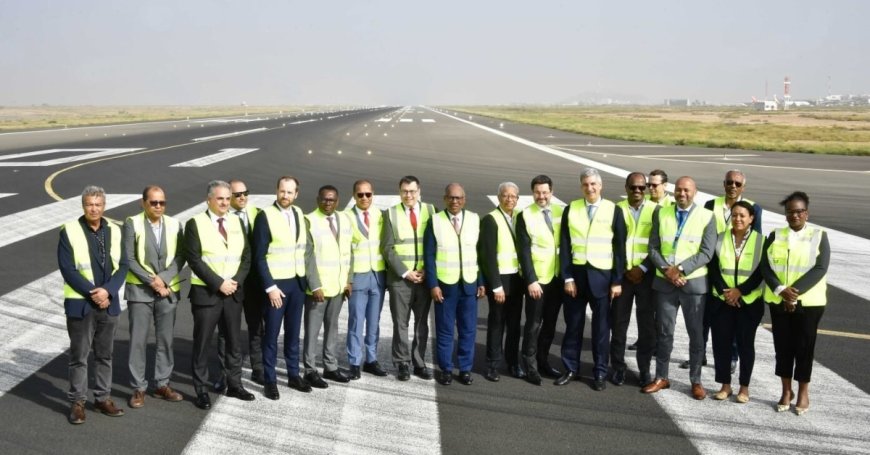
The Emerging Africa & Asia Infrastructure Fund (EAAIF), a company of the Private Infrastructure Development Group (PIDG) and managed by Ninety One, has announced a financing of 40 million euros with sustainability targets for Cabo Verde Airports to support the second phase of a structuring program for the expansion, modernization and decarbonization of seven airports in the archipelago.
The funding supports Phase 1B of a 40-year concession awarded to Cabo Verde Airports in 2023. The funds will be used to increase capacity, extend runways, expand terminals and make environmental improvements at four international airports - Amílcar Cabral International Airport, Nelson Mandela International Airport, Aristides Pereira International Airport and Cesária Évora International Airport - and three domestic airports.
The program aims to respond to the sustained growth in passenger traffic, while improving the quality of services and safety standards. In an island country vulnerable to climate change, air connectivity is considered essential for economic development and tourism.
Among the environmental measures planned are the installation of photovoltaic solar panels with battery storage systems, energy modernization of the terminals, external shading to reduce energy demand, water recycling and wastewater treatment systems, reinforcement of rainwater drainage and the commitment to reduce airport emissions by 30% by 2030. The plan is in line with Vinci Concessions's goal of carbon neutrality by 2050.
Since the financial close of Phase 1A in 2023, traffic at national airports has recovered above expectations, surpassing pre-pandemic levels. International traffic now accounts for around 80% of total passengers, ensuring a revenue base denominated in euros and reinforcing the project's financial robustness.
The operation is in line with the EAAIF and PIDG mandate to promote sustainable financing structures that mobilize private capital and strengthen strategic infrastructure. Improved connectivity between the islands is expected to boost tourism and trade, key sectors for employment and national economic activity.
On an institutional level, the Vinci Airports has committed to increasing female representation in management positions to 40% by the end of 2026 and to ensuring that airports meet the accessibility standards defined by the International Civil Aviation Organization.
Thanzi Ramukosi, investment specialist at Ninety One, said the investment reinforces the commitment to financing essential transport infrastructure, promoting inclusive growth and limiting the increase in greenhouse gas emissions in a Small Island Developing State where aviation is central to the economy.